MBA Interview Questions: How to Prepare and Answer with Confidence

Earning an MBA interview invitation is an enormous accomplishment. It signals that the admissions committee already views you as academically capable and professionally accomplished. However, the way you handle MBA interview questions often becomes the decisive factor in whether you ultimately receive an offer of admission. Practicing with an MBA mock interview is one of the most effective ways to prepare, since it allows you to rehearse your answers under realistic conditions.
The interview is where the AdCom assesses qualities that can’t be fully captured on paper, including your communication skills, authenticity, ability to think on your feet, and potential contributions to the program’s culture. Even highly qualified candidates get tripped up at this stage when nerves or a lack of preparation undermine their message.
The best way to prepare is by practicing with the types of MBA interview questions you are most likely to face. Understanding what schools ask—and why—will help you avoid generic answers and respond with authenticity.
One of the most effective ways to practice is in conditions that closely resemble the real thing. That’s the purpose of an MBA mock interview. It’s your opportunity to rehearse your answers, refine your delivery, and receive feedback before the stakes are high.
Don’t wing it when everything is on the line. Our former AdCom insiders run mock interviews that replicate each school’s format—so you walk in confident, not caught off guard. Learn more about our MBA interview services.
What Is an MBA Mock Interview?
At its core, an MBA mock interview is a practice interview designed to replicate the real experience as closely as possible. But not all interviews are alike. One of the most common mistakes applicants make is assuming that preparing for “an MBA interview” is enough.
Here’s how formats vary by school:
-
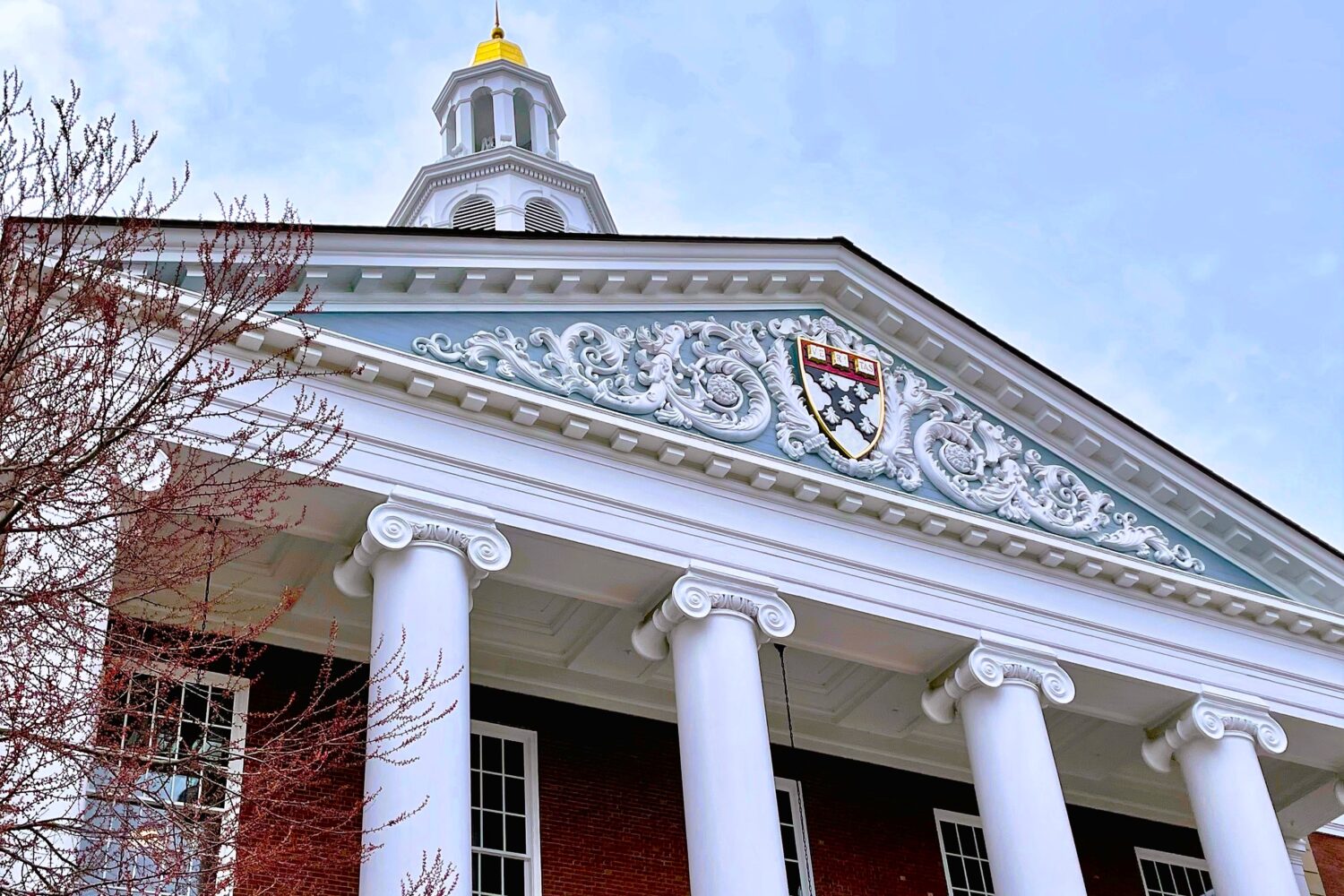
Resume-based interviews: At Harvard Business School, interviewers often begin by saying, “Walk me through your resume.” From there, they will probe deeply into your career decisions and accomplishments. It’s conversational, but you must be able to explain transitions and defend choices.
-
Application-based interviews: Schools like Kellogg, MIT Sloan, and Tuck use your submitted materials as a springboard. If you wrote about leading a merger in your essays, expect follow-up questions about the challenges you faced and what you learned. Consistency across your application and interview is critical.
-
Team-based discussions: The Wharton School is famous for this format, where you collaborate with other candidates to solve a problem. The AdCom observes how you interact—are you dominating, or are you listening and building on others’ ideas?
-
Behavioral interviews: At schools such as Stanford GSB, Yale SOM, Dartmouth Tuck, and Duke Fuqua, questions often focus on how you’ve handled real-world challenges. These interviews use prompts like “Tell me about a time when…” to assess your decision-making, resilience, and interpersonal skills. The key is to tell specific, structured stories that reveal character and growth.
An effective mock interview prepares you for the specific style of your target program. A generic Q&A session won’t build the confidence you need.

Common MBA Interview Questions (and How to Answer Them)
Every MBA program has its own unique style, but some MBA interview questions recur frequently. Below are examples of the most common categories, along with strategies for handling them.
Leadership and Teamwork
Sample Question: “Tell me about a time you led a team through a challenge.”
How to Tackle It: Use the STAR framework (Situation, Task, Action, Result). Be clear about your role in the outcome. Did you realign the team after a setback, mediate a conflict, or delegate effectively under time pressure? Schools want to learn how you respond when leadership is messy, not just when everything goes smoothly.
What the AdCom is Testing: Can you influence others, manage conflict, and drive results without alienating people?
Goals and Fit
Sample Question: “Why do you want an MBA at this stage of your career?”
How to Tackle It: Show how your past experience, your current trajectory, and your future ambitions align. AdComs want to see that you’re intentional, not just escaping your current role. Close by tying your goals directly to resources at that school: classes, clubs, professors, and recruiting opportunities.
What the AdCom is Testing: Do you have a credible plan for your post-MBA path, and does their program logically fit into that story?
Challenges and Failures
Sample Question: “What is your biggest weakness?”
How to Tackle It: Avoid clichés like “I’m a perfectionist who works too hard.” Pick a real area of development, give context, and share the specific steps you’ve taken to improve. For instance, maybe early in your career, you struggled with delegating. Explain how you recognized the problem, sought mentorship, and practiced giving ownership to team members.
What the AdCom is Testing: Are you self-aware? Can you reflect honestly and grow from setbacks?
Personal and Behavioral
Sample Question: “What do you do for fun outside of work?”
How to Tackle It: This may seem casual, but it’s deliberate. The committee wants to know if you’re interesting, relatable, and likely to enrich the class culture. Choose something genuine, not something you think “sounds impressive.” Then connect it subtly back to qualities that matter, such as teamwork, creativity, discipline, or resilience.
What the AdCom is Testing: Are you a well-rounded human who will add texture to the class community?

How to Practice MBA Interview Questions on Your Own
Starting on your own is a valuable part of MBA interview preparation, especially if you’re still building confidence before working with a coach. Here are ways to make solo practice more effective:
-
Record yourself: Watching playback can be uncomfortable, but it’s eye-opening. You’ll spot nervous habits like fidgeting, filler words, or rushing through answers.
-
Time your responses: Aim for 60–90 seconds per question. Longer answers risk meandering and losing your interviewer’s attention.
-
Practice with a peer: Even if they’re not an admissions expert, another person can provide helpful feedback. The pressure of speaking to a live audience makes your practice more realistic.
-
Study the school’s style: Don’t prep for Sloan the way you’d prep for HBS. Research your target program’s format and tailor your approach accordingly.
-
Refine key stories: Identify 5–6 professional and personal stories that you can adapt to different questions. Practice telling them until they feel natural but not memorized.
For additional strategies, check out our post on MBA interview dos and don’ts, which covers common pitfalls and how to avoid them.
Why Professional Mock Interviews Are Worth It
While solo practice is sound, professional coaching is often the most effective form of MBA interview preparation, as it mirrors the real-world experience and provides targeted feedback. You will be stepping into a real conversation with someone who has been in the interviewer’s chair themselves.
At SBC, our coaches are former AdCom members who have interviewed hundreds of applicants. We know what schools want to hear—and what signals concern. Our clients consistently say that the mock interview is one of the most valuable parts of their preparation.
With SBC, you’ll experience:
-
A school-specific simulation, tailored to your target program’s exact style.
-
A full interview experience, including tough follow-ups that mirror the real conversation.
-
Verbal and written feedback on both content and delivery.
-
The confidence that comes from having faced tough questions in a supportive environment first.
How SBC’s Interview Services Work
We offer packages that address a range of needs:
-
All-In Interview Prep Package: A full simulation, detailed feedback, and a follow-up to track your progress.
-
Video Mock Interview Prep: For virtual interviews, with emphasis on camera presence, pacing, and delivery.
-
Group Interview Coaching: Specifically designed for schools like Wharton that use team-based discussions.
No matter the option, you’ll walk away with actionable strategies and clearer insight into your performance.

Common Interview Mistakes to Avoid
Over the years, we’ve seen applicants fall into the same traps during their MBA interviews. One of the biggest missteps is delivering answers that sound overly rehearsed. Scripted responses can make you appear robotic when what the AdCom truly values is authenticity and presence.
On the other end of the spectrum, some candidates ramble, losing their main point in a flood of unnecessary detail. Others dodge the actual question being asked, steering back to a prepared anecdote rather than engaging directly with the interviewer’s prompt—a move that can come across as evasive.
Finally, many applicants overlook the opportunity to tailor their answers to the specific school, missing the chance to demonstrate why they are a great fit for that particular program. Avoiding these pitfalls can be the difference between being seen as a polished candidate and being remembered as one who simply wasn’t ready.
FAQs About MBA Mock Interviews
What is included in a mock interview?
An SBC mock interview is a full simulation of your target school’s interview style, followed by a detailed debrief. You’ll receive verbal feedback immediately after the session, plus written notes to help you refine your answers and delivery.
When should I schedule one?
The most effective practice happens close to your actual interview so the experience is fresh—ideally within two weeks of your interview date. That timing ensures you can integrate feedback while still having time to polish your performance.
Do you simulate school-specific formats?
Yes. Our coaches tailor each session to your target program, whether it’s Harvard Business School’s resume-based format, Sloan’s application-focused approach, Wharton’s team-based discussion, or another school’s behavioral style.
What’s the difference between a blind and an open interview?
In a blind interview, the interviewer has not seen your full application—typically just your resume. In an open interview, they’ve reviewed your entire file, including essays and recommendations. Both formats require different strategies, and our mock interviews reflect those distinctions, so you’re ready no matter what you face. For a deeper dive, see our post on resume- vs. application-based MBA interviews.
Can I just prepare on my own?
Self-practice is a valuable first step, but it only takes you so far. Without outside feedback, it’s easy to miss habits or gaps that admissions officers will notice. A professional mock interview ensures you’re not just practicing—you’re practicing the right way.
“My mock interview with SBC was tougher than the real thing at HBS—which was exactly what I needed. The feedback was spot on, and I walked into the actual interview calm, confident, and ready. I truly believe it made the difference in my admit.” — HBS Class of 2026 Admit
Walk Into Your MBA Interview Ready to Impress
Preparing for your MBA interview is about much more than memorizing answers—it’s about showing the admissions committee who you are and will be in their community. Thoughtful practice with MBA interview questions ensures you’ll be ready to do exactly that. By rehearsing under realistic conditions, you gain the clarity, confidence, and presence that can set you apart from equally qualified peers.
A mock interview is the most effective way to achieve this. On your own, you can refine key stories and polish your delivery. But with expert coaching—especially from professionals who have sat on the other side of the table—you’ll receive targeted feedback that helps you avoid pitfalls and highlight your strengths.
Ultimately, your ability to answer MBA interview questions with authenticity and confidence can transform a strong application into an offer of admission. Don’t leave it to chance.
Ready to put your best self forward? Book your MBA mock interview with Stacy Blackman Consulting today and gain the confidence that comes from expert practice.
Here’s a snapshot of the caliber of expertise on our SBC team.












Ashley
Ashley is a former MBA Admissions Board Member for Harvard Business School (HBS), where she interviewed and evaluated thousands of business school applicants for over a six year tenure. Ashley holds an MBA from HBS. During her HBS years, Ashley was the Sports Editor for the Harbus and a member of the B-School Blades Ice Hockey Team. After HBS, she worked in Marketing at the Gillette Company on Male and Female shaving ...
×Pauline
A former associate director of admissions at Harvard Business School, Pauline served on the HBS MBA Admissions Board full-time for four years. She evaluated and interviewed HBS applicants, both on-campus and globally. Pauline's career has included sales and marketing management roles with Coca-Cola, Gillette, Procter & Gamble, and IBM. For over 10 years, Pauline has expertly guided MBA applicants, and her clients h ...
×Laura
Laura comes from the MBA Admissions Board at Harvard Business School (HBS) and is an HBS MBA alumnus. In her HBS Admissions role, she evaluated and interviewed hundreds of business school candidates, including internationals, women, military and other applicant pools, for five years. Prior to her time as a student at HBS, Laura began her career in advertising and marketing in Chicago at Leo Burnett where she worked on th ...
×Andrea
Andrea served as the Associate Director of MBA Admissions at Harvard Business School (HBS) for over five years. In this role, she provided strategic direction for student yield-management activities and also served as a full member of the admissions committee. In 2007, Andrea launched the new 2+2 Program at Harvard Business School – a program targeted at college junior applicants to Harvard Business School. Andrea has also served as a Career Coach for Harvard Business School for both cu ...
×Jennifer
Jennifer served as Admissions Officer at the Stanford (GSB) for five years. She holds an MBA from Stanford (GSB) and a B.S. in Chemical Engineering from University of Illinois Urbana-Champaign. Jennifer has over 15 years experience in guiding applicants through the increasingly competitive admissions process into top MBA programs. Having read thousands and thousands of essays and applications while at Stanford (GSB) Admiss ...
×Davina
Davina received her MBA from Stanford's Graduate School of Business (GSB), with a certificate in Public Management, and her BA in Psychology from UC Berkeley. Davina is an experienced strategic planning leader, facilitator, and business case writer who spent more than 15 years building culture, entrepreneurship, and leadership initiatives across Stanford University and the Stanford Graduate School of Business. She designed ...
×Erin K.
Erin served in key roles in MBA Admissions--as Director at Haas School of Business at UC Berkeley and Assistant Director at Stanford's Graduate School of Business (GSB). Erin served on the admissions committee at each school and has read thousands of applications in her career. At Haas, she served for seven years in roles that encompassed evaluation, outreach, and diversity and inclusion. During her tenure in Admissions at GSB, she was responsible for candidate evaluation, applicant outreach, ...
×Susie
Susie comes from the Admissions Office of the Stanford Graduate School of Business where she reviewed and evaluated hundreds of prospective students’ applications. She holds an MBA from Stanford’s GSB and a BA from Stanford in Economics. Prior to advising MBA applicants, Susie held a variety of roles over a 15-year period in capital markets, finance, and real estate, including as partner in one of the nation’s most innovative finance and real estate investment organizations. In that r ...
×Dione
Dione holds an MBA degree from Stanford Business School (GSB) and a BA degree from Stanford University, where she double majored in Economics and Communication with concentrations in journalism and sociology. Dione has served as an Admissions reader and member of the Minority Admissions Advisory Committee at Stanford. Dione is an accomplished and respected advocate and thought leader on education and diversity. She is ...
×Anthony
Anthony served as the Associate Director of MBA Admissions at the Wharton School at the University of Pennsylvania, where he dedicated over 10 years of expertise. During his time as a Wharton Admissions Officer, he read and reviewed thousands of applications and helped bring in a class of 800+ students a year. Anthony has traveled both domestically and internationally to recruit a ...
×Meghan
Meghan served as the Associate Director of Admissions and Marketing at the Wharton MBA’s Lauder Institute, a joint degree program combining the Wharton MBA with an MA in International Studies. In her role on the Wharton MBA admissions committee, Meghan advised domestic and international applicants; conducted interviews and information sessions domestically and overseas in Asia, Central and South America, and Europe; and evaluated applicants for admission to the program. Meghan also managed ...
×Amy
Amy comes from the Wharton School of the University of Pennsylvania where she was Associate Director. Amy devoted 12 years at the Wharton School, working closely with MBA students and supporting the admissions team. During her tenure at Wharton, Amy served as a trusted adviser to prospective applicants as well as admitted and matriculated students. She conducted admissions chats with applicants early in the admissions ...
×Ally
Ally brings six years of admissions experience to the SBC team, most recently as an Assistant Director of Admission for the full-time MBA program at Columbia Business School (CBS). During her time at Columbia, Ally was responsible for reviewing applications, planning recruitment events, and interviewing candidates for both the full-time MBA program and the Executive MBA program. She traveled both internationally and dome ...
×Emma
Emma comes from the MBA Admissions Office at Columbia Business School (CBS), where she was Associate Director. Emma conducted dozens of interviews each cycle for the MBA and EMBA programs, as well as coordinating the alumni ambassador interview program. She read and evaluated hundreds of applications each cycle, delivered information sessions to audiences across the globe, and advised countless waitlisted applicants. ×
Dana
Dana served as Assistant Director of Admissions at Columbia Business School for the Full-Time MBA program and has over 10 years of experience working in higher education. Known as a scrupulous file reader, Dana reviewed countless applications and assisted in rendering final decisions for the Admissions Committee at CBS. While leading information sessions at Columbia and on the road, Dana met and advised myriad applicants� ...
×Holly
Holly worked as a member of the NYU Stern MBA Admissions team for seven years and holds an MBA from NYU Stern. In her tenure as Director of NYU MBA Admissions, Holly worked closely with admissions teams from Columbia, Michigan Ross, UVA Darden, Cornell Johnson, Berkeley Haas, Yale SOM, and Duke Fuqua on recruiting events domestically and internationally. On the NYU Stern admissions committee, Holly conducted interviews, planned and hosted events, and trained staff on reading and interviewi ...
×